Our Lives Are Not Line Items
Wolves, humans, or fish—we are not dispensable

Over the last 12 months, we’ve seen attacks on our wildlife and natural lands that were devastating precursors to the assaults now brewing against humanity.
Those in power are validating their choices to remove protections from land and water with the idea that people can profit more with their removal.
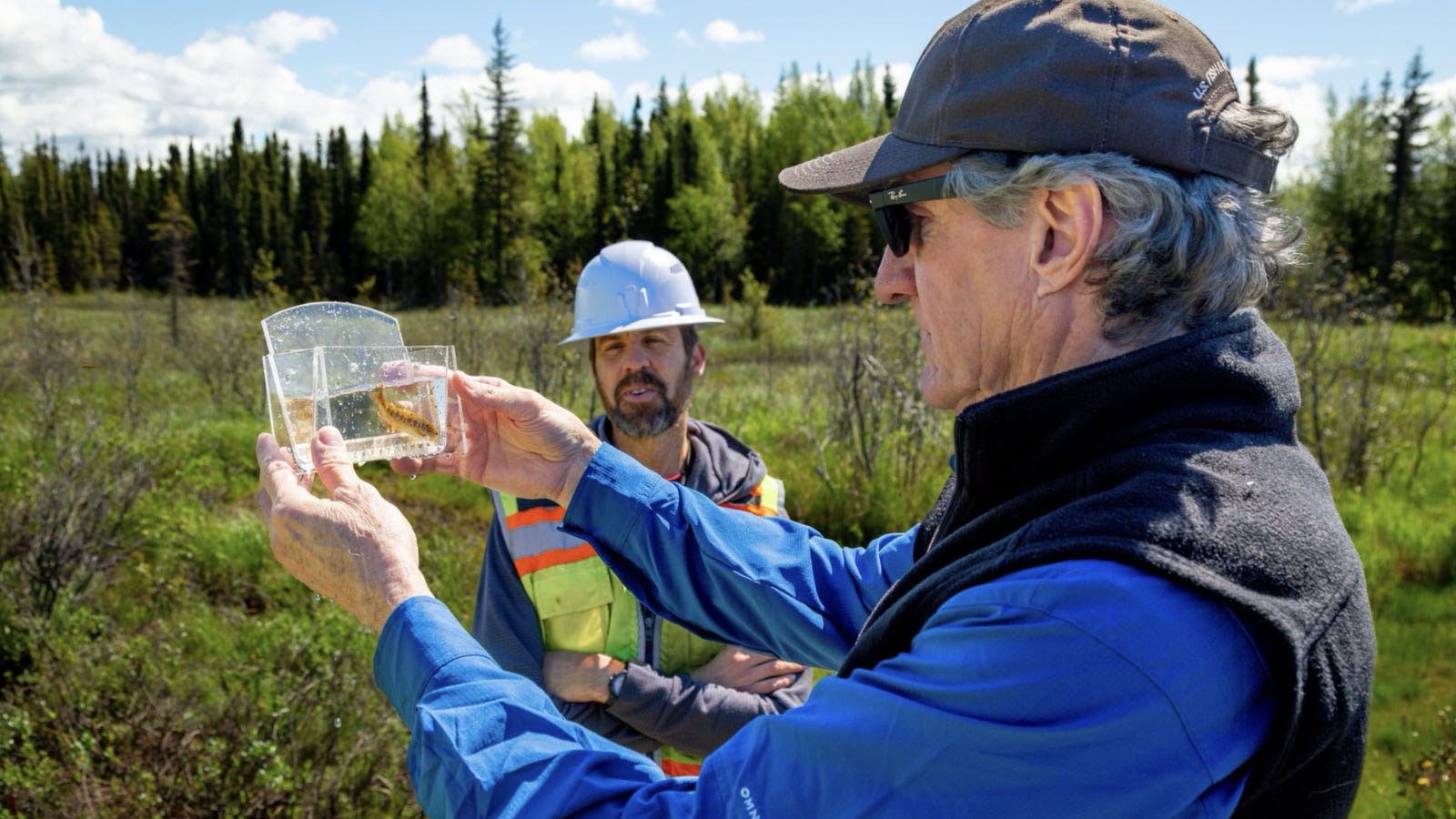
What does this fish give us? What is its economic value? How does it compare to the financial gain from resource extraction which necessitates the destruction of the fish habitat?
Trump is declaring the species “essentially worthless”, so it must be so.
Which wolves matter, and to what extent do they have access to our world? In what ways do they perform measurable tasks that uphold our economy, like contributing to ecotourism or deer control? Or are they financial burdens, taking up grant funding, eating farmers’ livestock, and blocking potential development deals?
Do they deserve to exist, and if so, to what extent?
As our elected leaders debate these questions, American people are finding themselves increasingly in the crosshairs of those same quandaries.
The Trump administration is slashing a record number of jobs across government departments. The private sector is swiftly downsizing. And the tech industry is rapidly creating artificial intelligence that is meant to outperform humans in most areas of labor—the very thing hard-working Americans pride themselves on and structure their lives around.
And as qualified, jobless people are scrapping to find a way forward in all this upheaval, here come the budget bill debates to add insult to injury.
We hear GOP politicians argue that a person’s worthiness of government investment is their ability to contribute to the workforce. In their narrative, ‘fiscal responsibility’ means subsidizing the industries that limit career advancement and job availability, so that a few billionaires can contribute more to the GDP. It means cutting “handout” programs that give everyday people the opportunity to do the same.
Affordable, universal health care; diversity, equity and inclusion; environmental health and resilience; respectable and even representative and responsive governments are not only not worth investment—they’re a threat to financial accumulation.
Just like the wolves and the fish that serve no purpose in Trump’s eyes, the American people are growing burdensome.
The GOP’s long-espoused assertions that state-sponsored Capitalism and trickle down economics benefit hardworking Americans have always been flawed. Now, the contradictions inherent in their economic policies are coming to a head, and they’re glaringly obvious.
Right now, it is difficult to find a way to focus on environmental fights, when so many human rights are devastatingly being violated in front of our eyes. But it’s important to remember that there is a distinct throughline connecting our environmental activism with protests against data centers, ICE, and cuts to social programing. Fighting for one, with this narrative, is fighting for the others:
A life matters, not because it is profitable, but because it is. Someone matters, not just for what they do, but also because of who they are. Life is important, just as it is.
We work for a society that holds up this idea, and we are all the better for it.
With love and hope for the future,
Stephanie
Ideas that the value of a person, thing, or action is worthwhile because of its economic importance are pervasive in our society.
How do they infringe on your world?


"How should Spring bring forth a garden on hard stone? Become earth, that you may grow flowers of many colors. For you have been heart-breaking rock. Once, for the sake of experiment, be earth!" - Rumi 🌺
The mad, endless pursuit of short-term, bottom-line profit has long passed the descriptor "vulture capitalism". Call it "parasitic capitalism", perhaps even "carcinocapitalism" -- it only exists to devour resources and grow itself.